
.jpg)
You've been meaning to do a real walk-through for a while now. Top to bottom, every system, the kind that tells you what's actually going on in the building instead of what's screaming loudest today. It keeps not happening. Not because your team is lazy — because they're buried in daily tickets, and the slow erosion of a building never makes the urgent list.
That's not a discipline failure. It's the nature of in-house maintenance: the queue always wins.
The daily grind crowds out the work that prevents it
Your team spends its hours on what's broken right now — the disposal, the lockout, the leak. The roof flashing that's three years from a problem, the floor drains nobody's flushed, the exit light that's been out for a month: none of it generates a ticket, so none of it gets walked. It just sits and compounds, quietly, until one of those small deferred items becomes a 2 a.m. emergency call or a surprise line item in next year's budget.
And here's the part that's hard to say out loud: the team that maintains a building every day isn't the most reliable team to audit it. Not because they're not good — because you stop seeing what you've gotten used to. The drain that always smells a little. The panel that's always been like that. An independent walk catches what familiarity has stopped noticing.
What a real audit actually covers
A building audit from The Orange Crew is a dedicated, top-to-bottom walk of seven systems — not a glance between tickets:
- HVAC and mechanical — where deferred maintenance shows up first and costs the most. Filters six months overdue, equipment aging toward winter.
- Fire and life safety — exit lighting, extinguishers, alarms. The items that are compliance issues today and liabilities the moment something goes wrong.
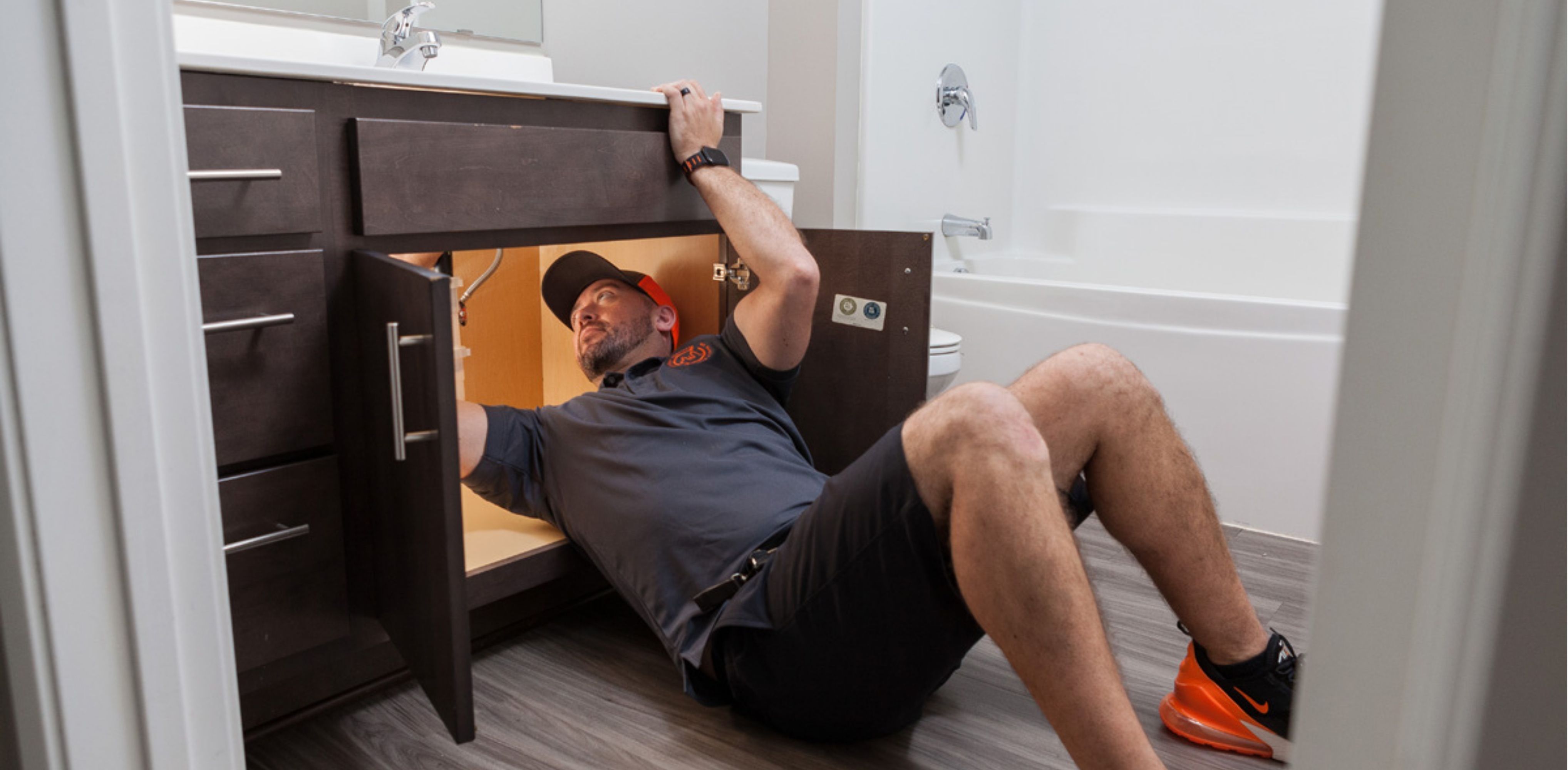
- Plumbing — the slow leaks and the floor drains that need a mineral oil treatment before they send sewer gas into a hallway.
- Building cleanliness — the layer residents judge you on every day.
- Exterior and grounds — roof, drainage, walkways, the grading that decides where water goes.
- Building systems and documentation — what's been serviced, what's under warranty, what the last owner never wrote down.
- Miscellaneous and special notes — whatever your building has that doesn't fit a box but needs to be on record.
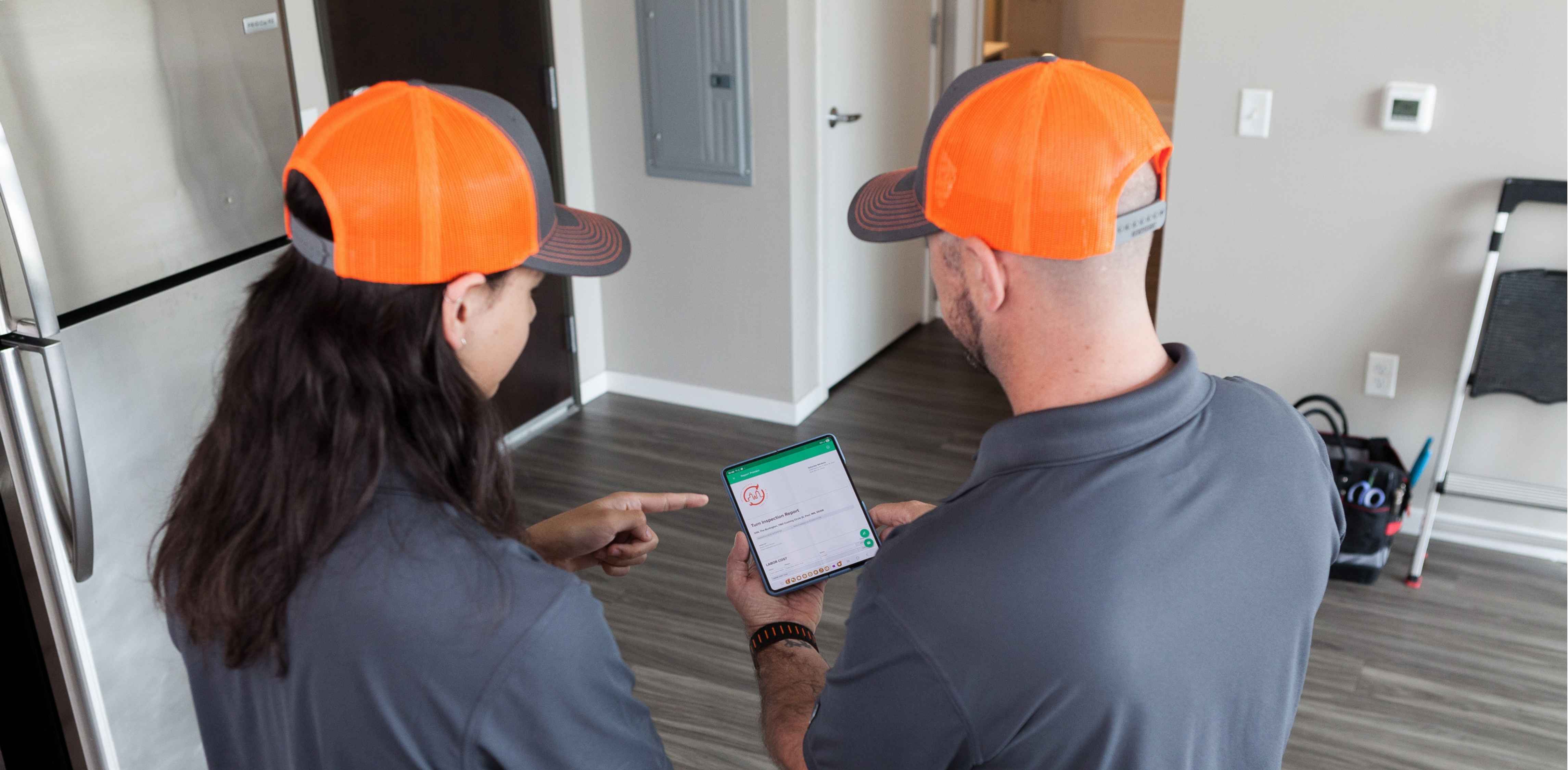
Every item gets photographed and coded by priority — RED for immediate, YELLOW for within 30 days, GREEN for good or informational — so you get a ranked plan, not a flat list. The walk takes a half-day to a full day, the written report lands within one to two weeks with a preventative maintenance schedule built in, and the report is yours either way, whether or not you use The Orange Crew for the work.
Especially worth it on older buildings
A lot of Twin Cities multifamily is aging stock — nearly a third of Minneapolis rentals were built before 1940 — and older buildings hide more. If you've just taken over a property, or you can't remember the last time anyone walked it end to end, that's exactly the building the daily queue will never get to on its own.
Let the queue keep your team. Let us walk the building
Your in-house team is busy keeping residents happy, which is where you want them. Use a dedicated audit to catch the slow problems they'll never have time to chase — before those problems pick the time themselves.
End the guessing. Talk to Troy about a building audit — (612) 217-0730.


Make It Easy.
.png)