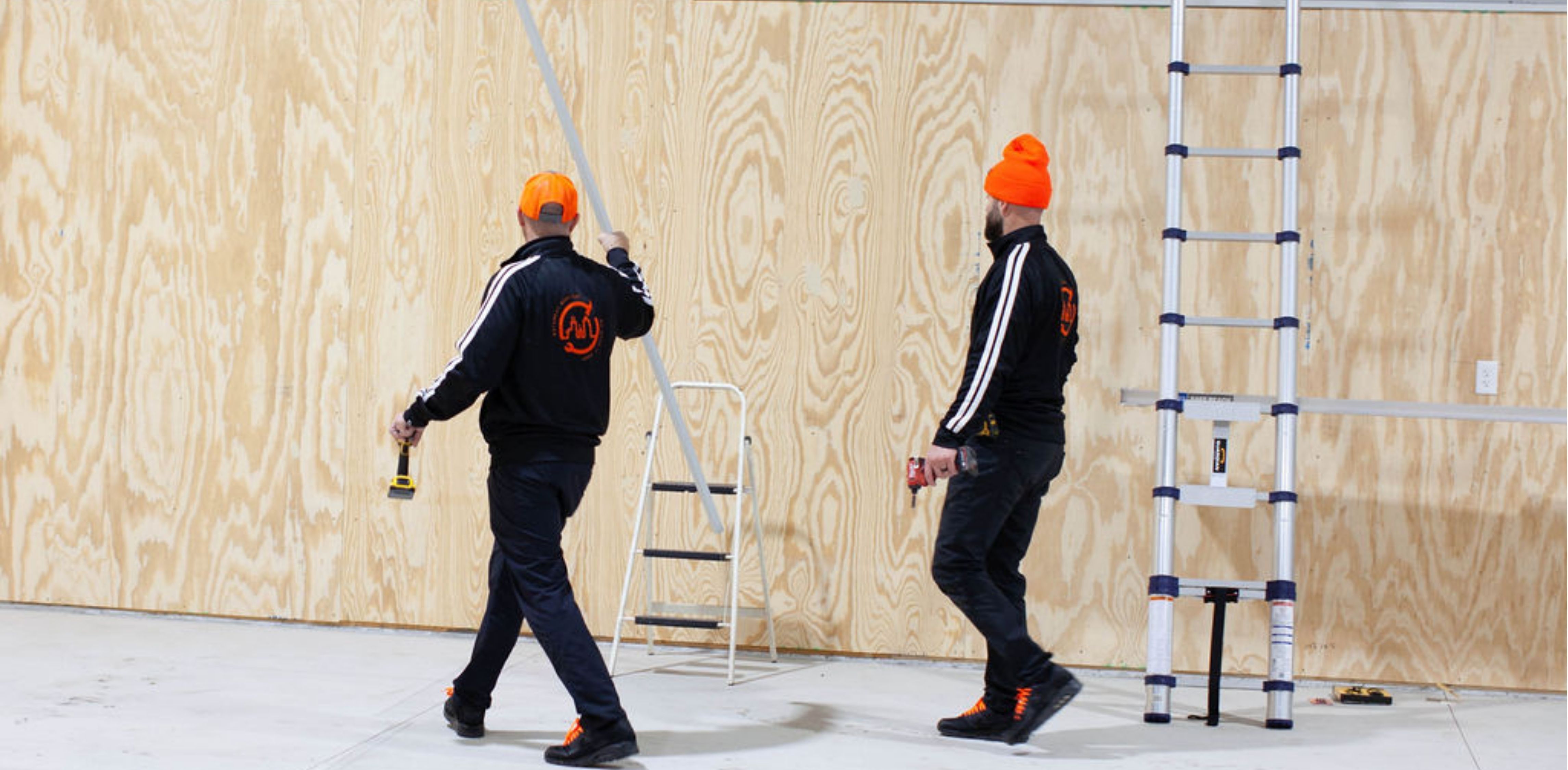
Every fall there's a stretch where the exterior list gets real. The trim on the south side is peeling. The caulk around the entry windows has pulled away. A light over the back entrance has been out since August. And the forecast is starting to show overnight lows in the 30s.
Some of that list can still happen this year. Some of it shouldn't be touched until spring, however badly you want it crossed off. Here's how to sort it.
Why the thermometer decides
A lot of exterior work depends on materials that need warmth to cure.
Paint is the big one. Standard exterior latex generally needs air and surface temperatures of at least 50°F while it goes on and for hours afterward. Some cold-weather formulas are rated down to 35°F, but they still need to stay above that for about a day. Paint applied too cold can look fine and still fail to cure, and you won't find out until it starts peeling.
Most exterior caulks and sealants have a floor too. Many labels call for temperatures above 40°F.
The catch in a Minnesota fall is that the afternoon can look fine while the overnight low drops well below the rating. A crew can do everything right at 2 p.m. and the job can still fail at 2 a.m.
Concrete and paving are temperature-sensitive as well, and cold-weather work gets more complicated and more expensive. That's a conversation to have with whoever handles it for you.
What can usually still happen
Work that doesn't depend on something curing isn't tied to the thermometer the same way.
Exterior lighting is near the top of the list. The days are short now, and a dark entrance or parking area is a safety problem and a complaint waiting to happen. Fixtures, photocells and timers don't much care what the temperature is.
Doors and hardware come next. Closers that slam, thresholds that let snow blow in, weatherstripping that's gone flat. They're quick fixes, and they matter more once the heat is running.
Gutters and downspouts should be cleared before everything freezes, especially anywhere a downspout empties onto a walkway. Water that pools there in December turns into ice.
Loose handrails, damaged signs and a bent bollard are mostly mechanical repairs, and they can happen on any dry day.
And walk the site for trip hazards before the snow covers them. A heaved sidewalk panel is a lot easier to mark now than to find with a shovel in January.
Small caulking or paint touch-ups can sometimes still fit into a warm stretch, as long as the product is rated for it and the overnight low cooperates. That's a call to make day by day, not something to plan the month around.
What should wait for spring
A full exterior repaint. Large caulking or sealant jobs. Concrete and paving. Anything that needs several mild days in a row to set.
Waiting doesn't mean doing nothing, though. If the spring work gets scoped over the winter, the board or owner can approve it with a real number and a start date before April, instead of starting the bidding process the same week everyone else does.
How we handle it
We'll walk the exterior with you, whether it's an association's buildings, an apartment community or a commercial property. We'll sort the list into what can happen now and what should wait, and price both. The fall work gets done on the next good days. The spring work gets scoped and scheduled, so it starts when the weather allows.
If there's an exterior list on your desk, call (612) 484-5314 or get a quote.
We make it easy.



We make it easy.