When you call a maintenance vendor about a work order, you don't care about their org chart. You want to know who's responsible for fixing your problem, and when it'll be done.
At Saturday Maintenance, we use an accountability chart instead of a traditional org chart. That one choice shapes the service you get, from how fast we respond to who owns it when something goes wrong.
The problem with org charts
Most org charts are boxes and lines. Leadership at the top, team leads in the middle, staff at the bottom. It shows who reports to whom. It tells you almost nothing about who's responsible for what you need.
Say a completed work order has a quality issue. Who owns that? The tech who did the work, the person who assigned it, or the person who oversees the team? An org chart can't answer the question, because it describes structure, not ownership.
That gap is where the runaround comes from. You call about a problem and get passed between three people, because nobody's sure whose job it is.
How an accountability chart changes that
An accountability chart starts with results instead of reporting lines. Every seat on the chart has specific, measurable outcomes that one person owns completely.
Our operations coordinator, for example, owns response time on new requests, scheduling, client communication and documentation. When you call about a work order, she knows your experience with scheduling and response is hers. Nobody has to figure out whose problem it is.
That clarity closes the gaps most service companies fall into. When a job is running long, the person who owns completion time tells you before you have to ask, along with the new timeline. When quality slips, the person who owns quality fixes it right away.
What that looks like when you call
- A work order is behind schedule. Our operations coordinator owns scheduling, so she doesn't transfer you. She finds out what caused the delay, gives you a real completion date and makes sure it happens.
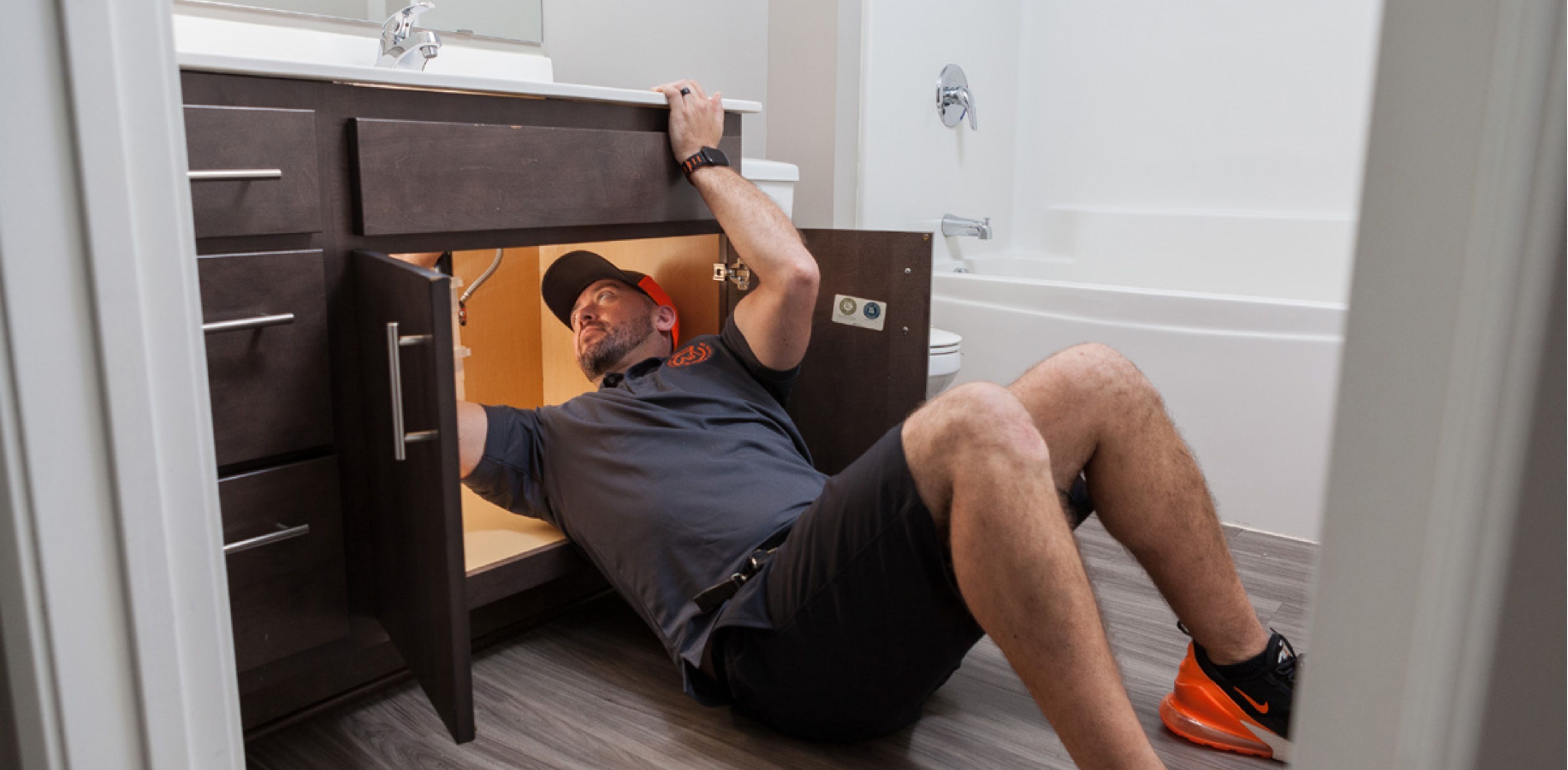
- The work isn't up to standard. The tech who did it owns the result, not just the task. He doesn't blame the parts or the job. He makes it right.
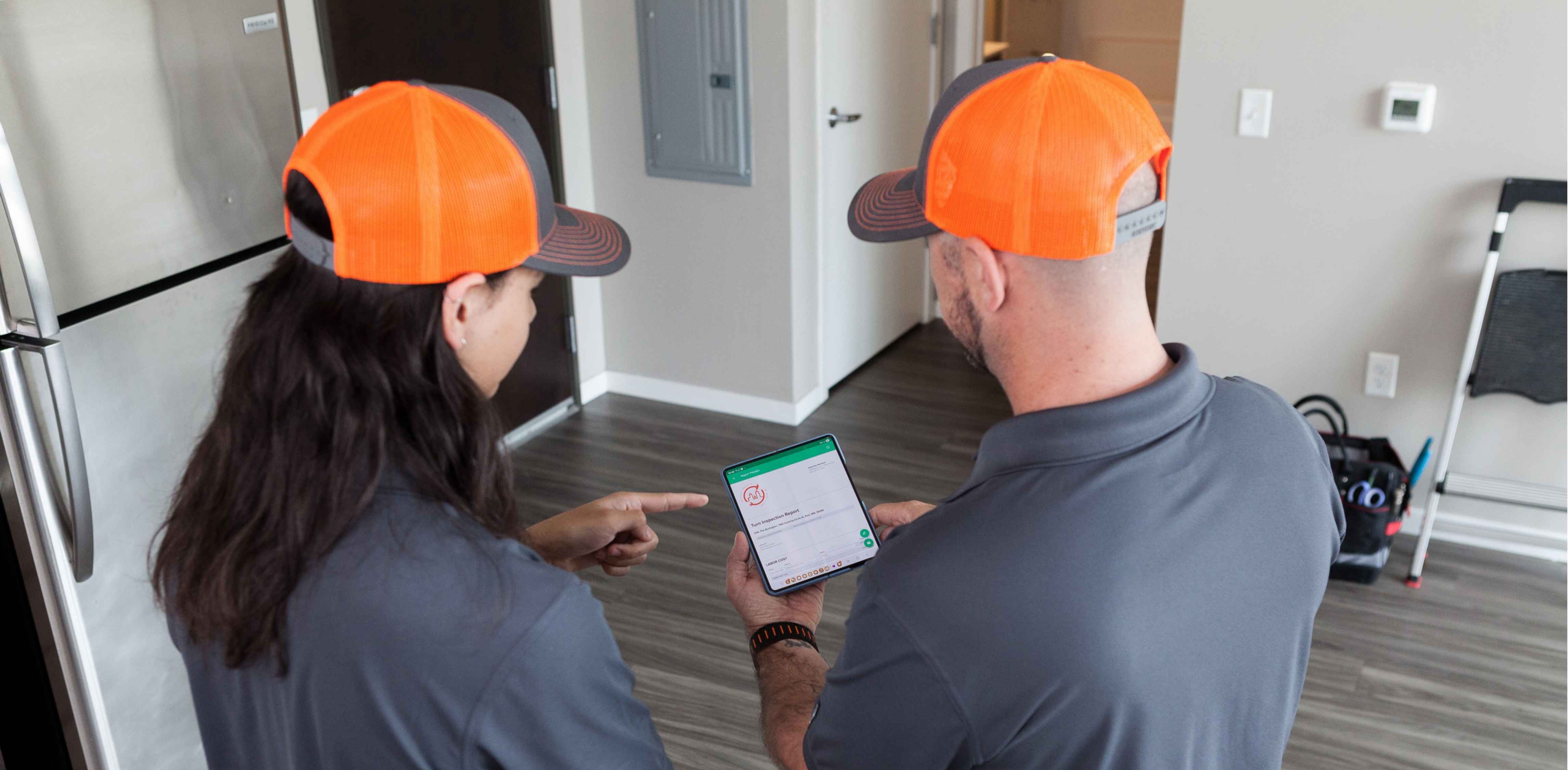
- You need a status update across several properties. Your account manager owns your overall experience, so she sends updates before you go looking for them.
Ownership changes behavior
When everyone knows exactly what they own, they stop waiting to be told what to do.
A tech who owns quality checks his own work, tests it and confirms it works before closing the ticket. A coordinator who owns response time watches incoming requests and answers them right away instead of waiting for someone to assign them. A team lead who owns the team's results tracks completion times and callbacks every week and fixes problems before they reach more than one client.
You see it in every interaction. Problems don't get passed up the chain. When something does need to be escalated, it happens fast, because everyone knows whose call it is.
Right person, right seat
Clear accountabilities make it obvious when someone isn't the right fit. A person either delivers the results of their seat or they don't, and a vague job description can't hide it. When someone can't deliver, we help them get there or move them to a role where they can.
For you, that means consistency. You don't get great service from one tech and average service from the next, because every tech is held to the same standards for quality, communication and completion time. It also means the person you're talking to has already shown they can do the job.
A question to ask any maintenance vendor
Ask: "Who's accountable for my work order completion time?" If the answer is "the team" or something vague, nobody owns it. If they can name the person and the target, you're dealing with real accountability.
Then ask what happens when the target isn't met. Real accountability means people are responsible for results, not just effort.
From structure to results
Org charts show how a company is organized. Accountability charts show what a company delivers. Structure doesn't fix your work order faster. People who know exactly what they own do.
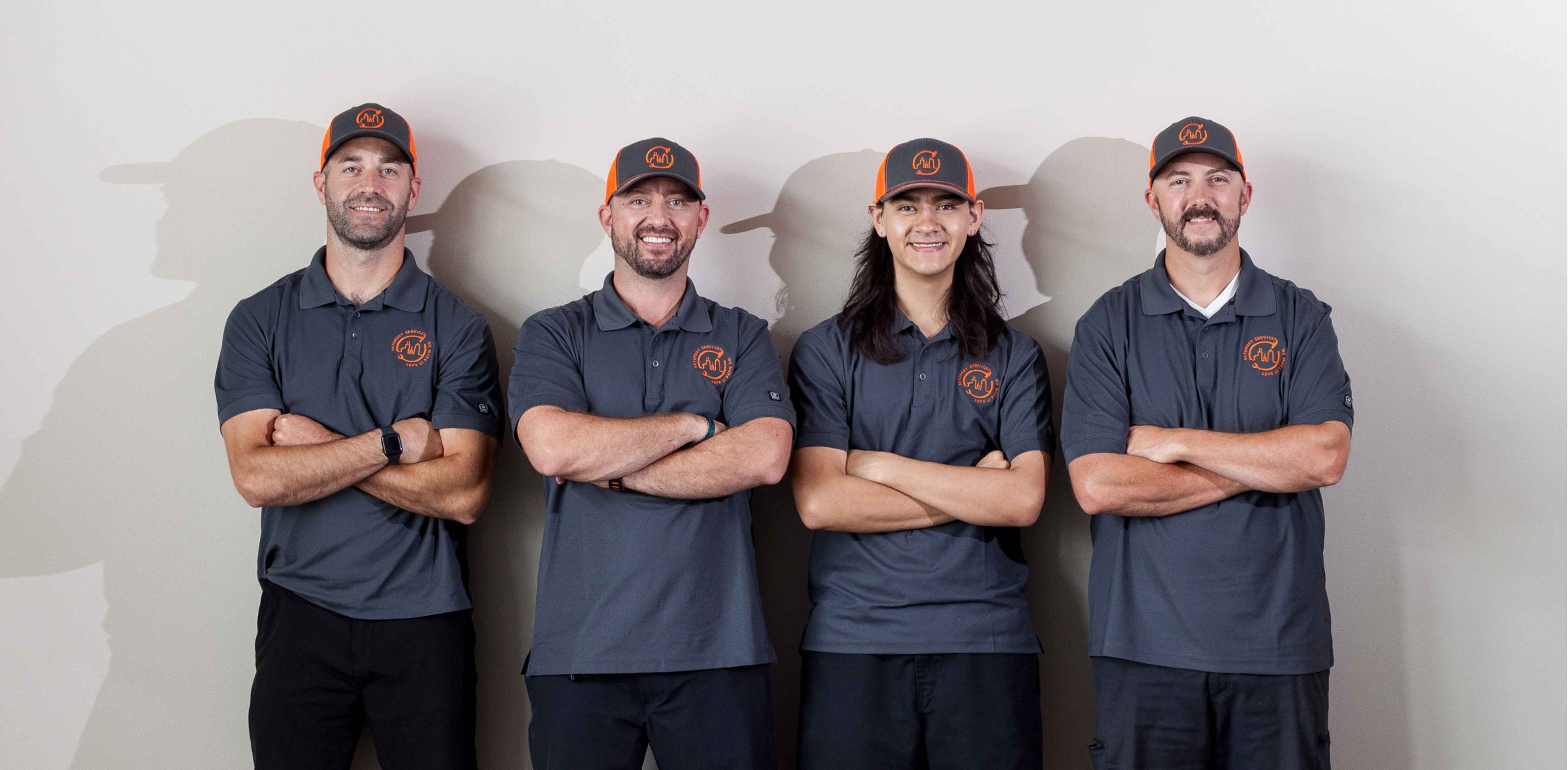
When you call Saturday Maintenance, you're talking to someone who owns a specific outcome and takes responsibility for delivering it. That's The Orange Standard in practice.
Want to see how it works on your property? Email wemakeiteasy@saturday.services or call (612) 484-5314.

We make it easy.